
Discover
Expert Physiotherapy Treatment in Birmingham
Whether you’re recovering from a sporting injury, dealing with a persistent musculoskeletal problem or struggling to get back to full function after an acute episode — physiotherapy gives you a structured, clinically guided path back to movement.
At Harborne Chiropractic Clinic, our physiotherapy team works within a genuine multi-disciplinary clinic. That means your treatment is informed by, and integrated with, our wider clinical expertise in chiropractic, sports massage and shockwave therapy. You get the right treatment from the right practitioner — not just the nearest available appointment.
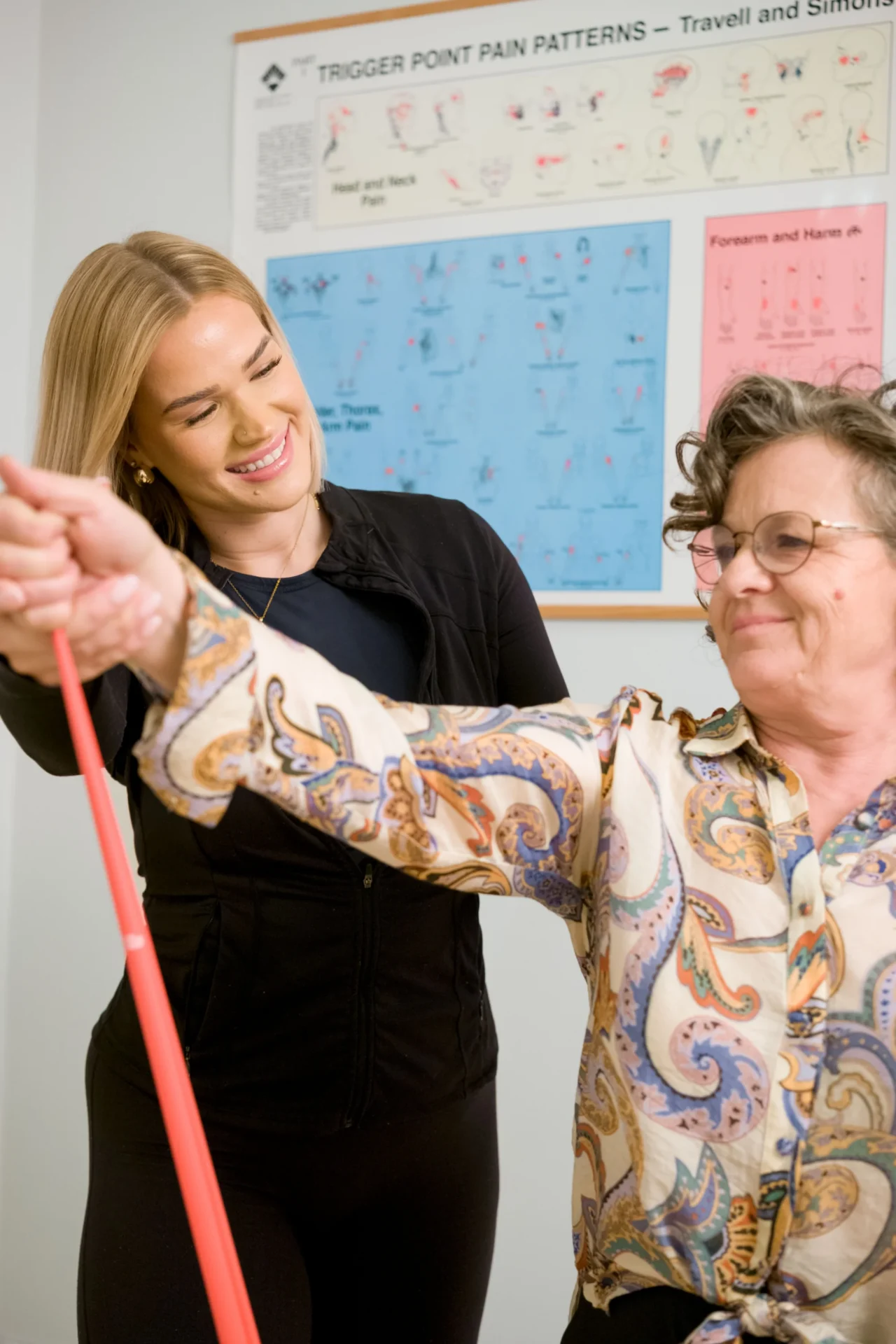
Our Team
Meet Our Physiotherapy Team
Our physiotherapy team brings together two experienced, highly qualified practitioners — each with a distinct clinical background and a shared philosophy of getting patients back to the activities that matter most to them.
Discover
Conditions We Treat
Physiotherapy addresses a wide range of musculoskeletal and movement-related conditions. At Harborne, our physiotherapy caseload includes:
- Back and neck pain — including disc-related conditions and nerve pain
- Shoulder injuries — rotator cuff tears, impingement, frozen shoulder
- Knee pain — ligament injuries, patellofemoral syndrome, meniscal problems
- Hip pain — bursitis, tendinopathy, post-surgical rehabilitation
- Ankle and foot problems — sprains, Achilles tendinopathy, plantar fasciitis
- Sports injuries across all disciplines and ability levels
- Post-surgical rehabilitation
- Muscle strains, tendon injuries and overuse conditions
- Postural problems and chronic pain driven by movement dysfunction
- Workplace injuries and desk-related repetitive strain
If you’re unsure whether physiotherapy is the right pathway for your problem, call us on 0121 448 6990. We’ll give you an honest answer — and if a different discipline would serve you better, we’ll tell you that too.

Everything You Need to Know
What to Expect at Your First Physiotherapy Appointment
Your initial assessment is thorough and unhurried. We do not use it to sell you a package — we use it to understand your problem properly before recommending anything.
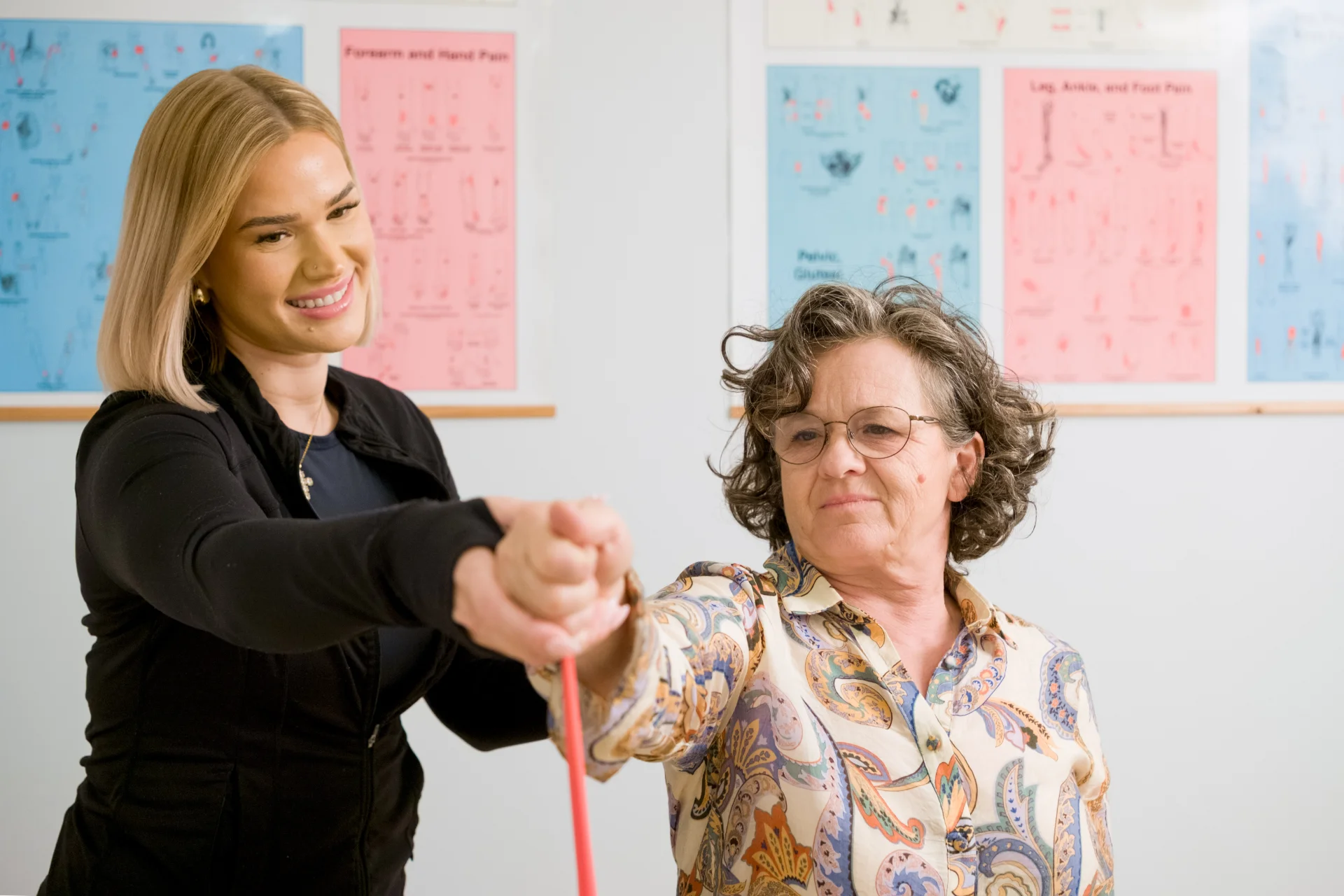
Full subjective history
We start by understanding your symptoms in detail — when they began, how they’ve changed, what makes them better or worse, your relevant medical history and what you want to get back to doing. This conversation shapes everything that follows.
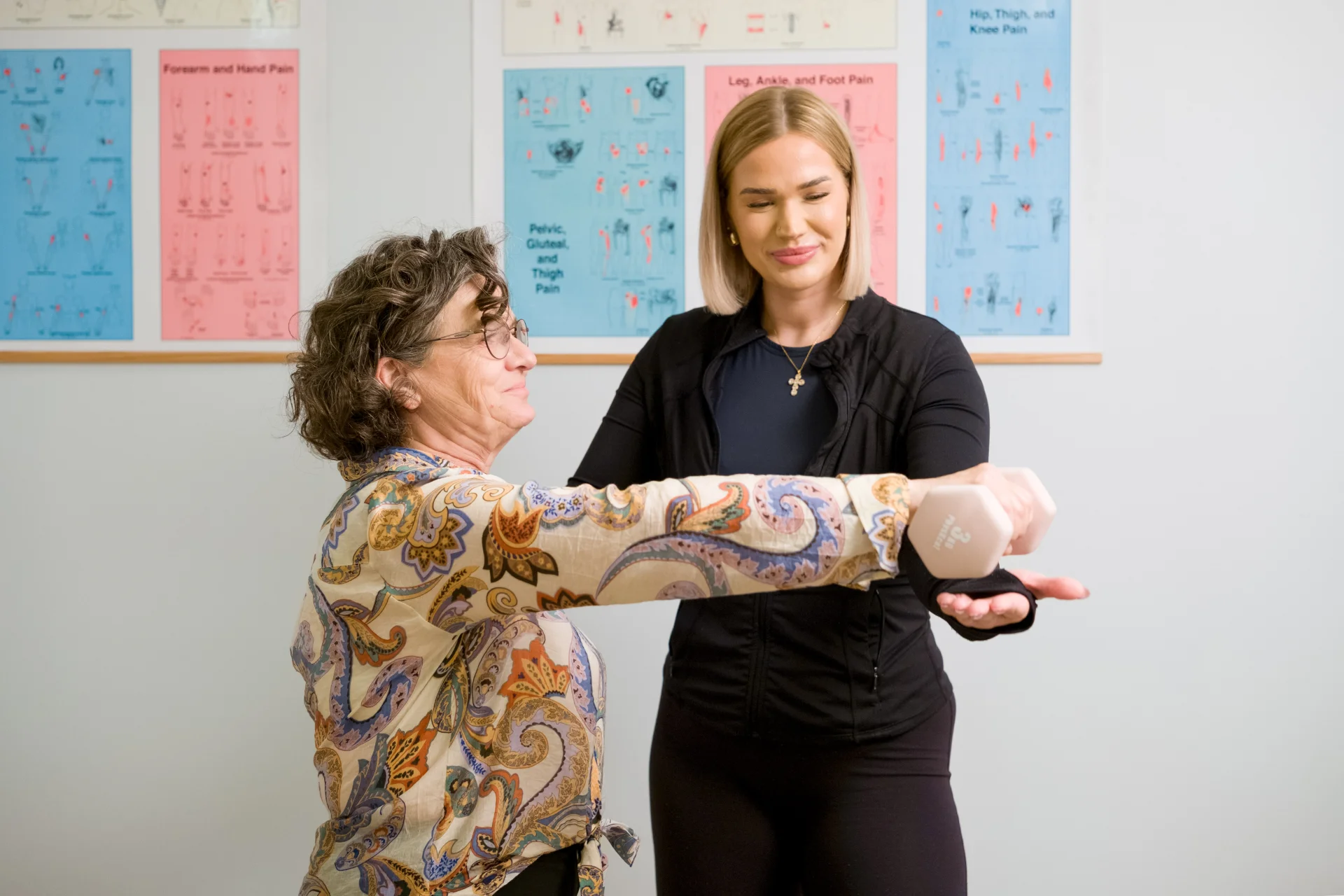
Physical assessment
Luize carries out a structured physical examination — assessing movement quality, joint range, muscle strength, flexibility and neurological function. Where relevant, we use specific functional tests to reproduce and identify the source of your symptoms.
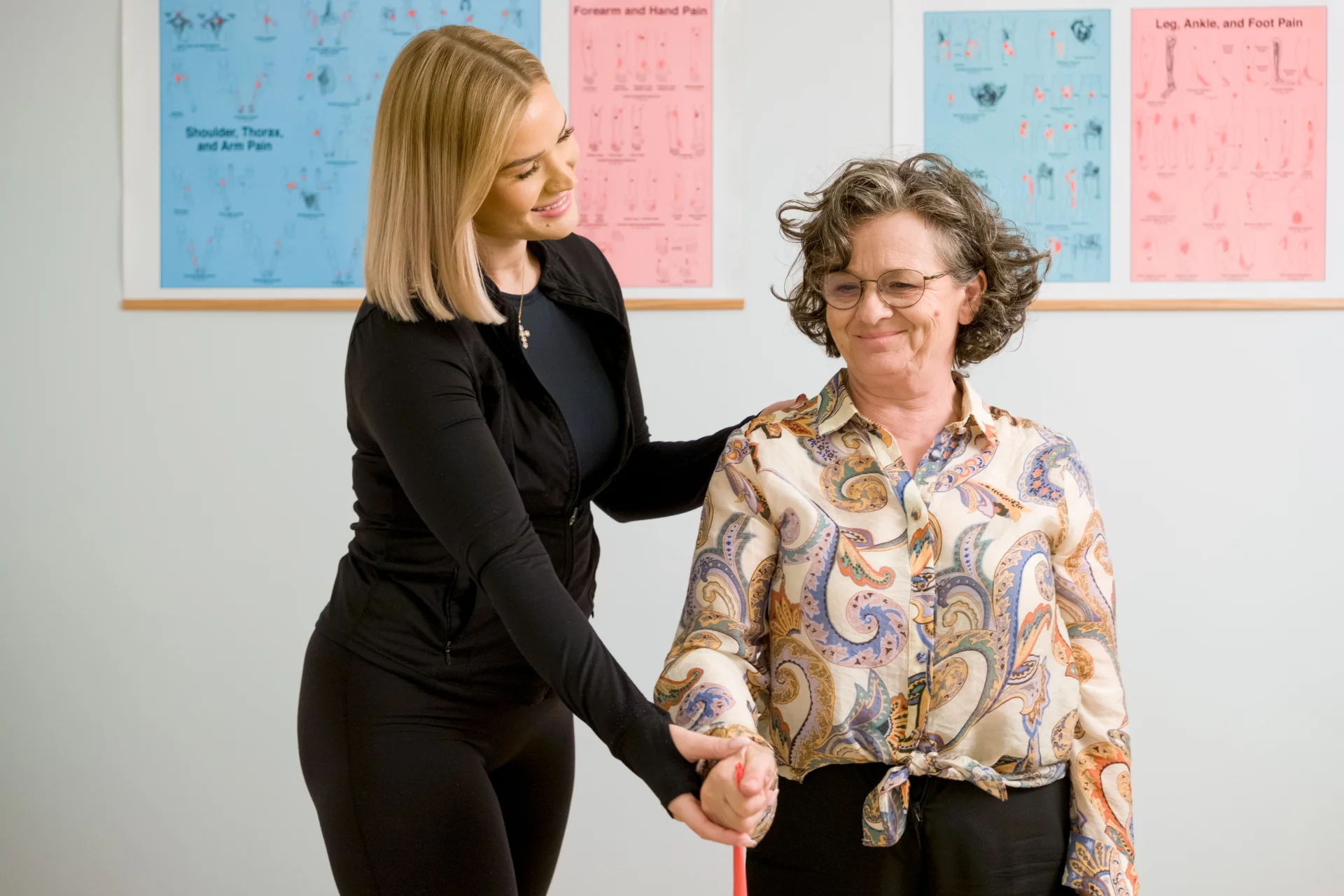
Clear diagnosis and treatment plan
You’ll receive a clear explanation of our findings — what’s causing your symptoms, why conservative treatment is appropriate and what a realistic recovery looks like. We set defined goals and give you a timeline, not a vague ‘let’s see how it goes’.
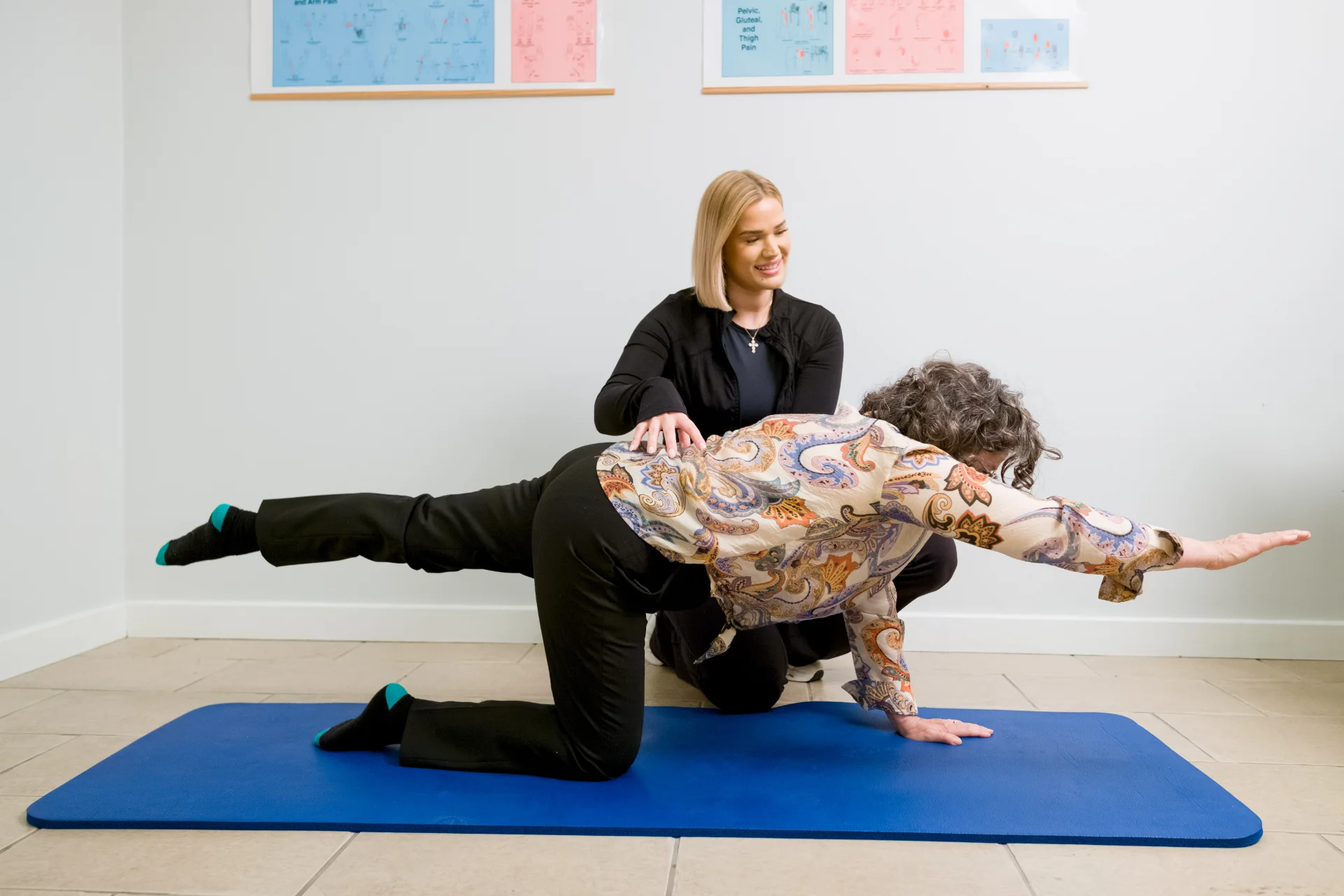
First Treatment
In most cases, treatment begins at your first appointment. You’ll also leave with a clear home exercise programme — because meaningful recovery happens between sessions as well as during them.
Discover
Physiotherapy Techniques We Use
Our physiotherapy is hands-on and evidence-based. Depending on your condition and goals, treatment may include:
Manual therapy
Joint mobilisation and manipulation to restore range of movement
Soft tissue techniques
Targeting muscle tension, fascial restriction and trigger points
Exercise rehabilitation
Progressive, structured programmes to rebuild strength and movement control
Neuromuscular re-education
Retraining movement patterns that contribute to injury and pain
Taping and strapping
To offload structures during recovery or support return to sport
Dry needling
Where clinically indicated for muscle pain and trigger points
Education and self-management strategies
So you understand your condition and can manage it long-term

Discover
The Advantage of a Multi-Disciplinary Clinic
Many physiotherapy clinics operate in isolation. At Harborne, your physiotherapist works alongside our chiropractors, sports massage therapists and shockwave therapy specialists every day. That means:
- Complex or overlapping conditions get a second clinical perspective without you needing a separate referral
- Treatment can be combined where clinically appropriate — for example, sports massage alongside physiotherapy rehabilitation for a stubborn soft tissue injury
- If shockwave therapy would accelerate your recovery, we can integrate it into your plan immediately
- You are never passed between clinics or lost in a referral pathway
Reviews
The Standard of Care Trusted by Thousands
Posted on GoogleTrustindex verifies that the original source of the review is Google. Had a good experience and helped me in fixing my shoulder trap issuePosted on GoogleTrustindex verifies that the original source of the review is Google. I had a very good experience with my chiropractor, Evan. I had back pain but right now I feel very good.Posted on GoogleTrustindex verifies that the original source of the review is Google. Jaydon is very good. He keeps you informed as yo what he is doing during the treatment. In fact he does not stop talking and reassuring you that he will get you better. He is extremely friendly and very knowledgeable. I will certainly use him again if I need anything putting rightPosted on GoogleTrustindex verifies that the original source of the review is Google. It was slipped disc of my back. I cannot even walk probably. Needed crutches to walk. With Jessie help. It only 7 sections, I don’t need the crutch any more. She is professional, caring.Posted on GoogleTrustindex verifies that the original source of the review is Google. I had my first professional lymphatic massage today from Charlotte and it was brilliant ! I felt a difference in my body whilst having it done. I also had a part sports massage on some problematic areas and it was just needed. I would highly recommend this place. Very professional and helpful for after care tips too. I will be back ! Thank you :)Posted on GoogleTrustindex verifies that the original source of the review is Google. This is my second time visiting here with lower back pains and pelvic pain. I was treated both times by Sian and she is amazing! My first round of treatment went so well I knew i could trust them the second time too! Sian really takes out time to explain everything in detail why its happening, whats happening and what the next steps will be. Shes clear and thorough and gets to the root of your problem rather than just touching the surface. I'm so happy to find Sian again 6 years after my first treatment. Thank you so much to all the team.Posted on GoogleTrustindex verifies that the original source of the review is Google. I’ve been here for a few years, every time all individuals have been professional and personable. Never had a bad experience, and Lillie is amazing!Posted on GoogleTrustindex verifies that the original source of the review is Google. I found Kelly to be professional and polite a good communicator with the ability to listen, and to understand what I was trying to communicate, I would recommend this chiropractor and the practice to any of my friends and family. I have always found the entire team to be helpful The problem I went to Kelly with appears to be heading in the right direction and I will be seeing her again to do a maintenance course so hopefully I will never have this issue to the degree of pain and discomfort, which I was originally having when I first saw her The improvement she has made outstrips my expectations thank you againPosted on GoogleTrustindex verifies that the original source of the review is Google. I have seen many clinicians over the 20+ years I have had lower back and related other pains. I've had a very thorough assessment appointment and have new insights. My first treatment within the assessment appointment has been helpful and I'm looking forward to following the clear programme. I would add that the admin/reception staff are very welcoming and knowledgeable. Thank you.Posted on GoogleTrustindex verifies that the original source of the review is Google. I've been seeing Charlotte for sports massage to manage a recurring shoulder issue, and she's been brilliant. She’s also really informative — she explains what's going on and why, which has made a huge difference in managing my shoulder issue. Highly recommend!
Don't Wait for an NHS Referral
Health Insurance
NHS physiotherapy waiting times in Birmingham can stretch to several months. In that time, a musculoskeletal problem that could have been resolved quickly can become chronic, more complex and harder to treat.
At Harborne Chiropractic Clinic, you can book a physiotherapy assessment within days — no GP referral required. If you have private health insurance, we accept BUPA, AXA Health and Aviva. Self-pay pricing is transparent and straightforward.